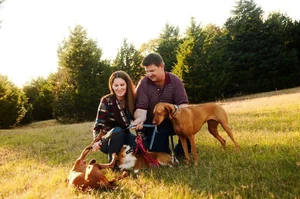
Understanding Senior Dog Needs: Recognizing Physical and Emotional Changes
As dogs age, they undergo various physical and emotional transformations that can significantly affect their quality of life. Understanding these changes is essential for caregivers to provide the best care and support for their senior furry friends. Here’s a closer look at the common changes that happen and how to identify their specific needs.
1. Physical Changes in Senior Dogs
- Mobility Issues: Many senior dogs experience arthritis or joint pain, which can lead to difficulty in movement. Watch for signs like reluctance to jump, climb stairs, or play. Providing soft bedding, ramps, and gentle exercise can help.
- Decreased Senses: Aging dogs may lose some of their senses. Hearing loss can cause them to startle easily, while diminishing eyesight can affect their confidence. Ensure your home is safe by minimizing obstacles and using clear, consistent commands. Refraining from moving things around in your helps to maintain a safe environment for diminishing eyesight.
- Weight Fluctuations: Senior dogs may become overweight or lose weight due to changes in metabolism. Monitor their body condition and consult with your vet for appropriate dietary adjustments.
- Dental Health: Dental diseases are common in older dogs, leading to bad breath, pain, and difficulty eating. Regular dental check-ups and dental treats can help maintain oral health.
2. Emotional Changes in Senior Dogs
- Anxiety and Disorientation: Many senior dogs experience anxiety, especially with changes in their environment or routines. Look for signs such as pacing, barking, or excessive panting. Providing a stable home environment and having a calming routine can help ease their stress.
- Decreased Interest: A senior dog might become less interested in play or socialization. It is important to engage them gently and encourage interaction, but respect their limits.
- Increased Affection: Some older dogs seek more comfort and companionship from their humans. Spending quality time with your senior dog can help strengthen your bond and provide them with reassurance.
3. Identifying Specific Needs
- Regular Veterinary Check-ups: Routine vet visits are crucial for monitoring your senior dog’s health. Your vet can assess their mobility, weight, and overall condition, and recommend specific treatments or dietary changes.
- Customized Care Routines: Every dog is unique; their needs may vary based on their breed, previous history, and individual personality. Tailor their care routine, including feeding, exercise, and grooming, to fit their specific needs.
- Emotional Support: Ensure that your senior dog has plenty of opportunities for both physical activity and mental stimulation. Interactive toys, gentle training, or simply enjoying quiet time together can positively impact their emotional well-being.
Understanding the physical and emotional changes that come with aging in dogs is essential for promoting their well-being and happiness. By recognizing their specific needs and providing tailored care, you can ensure that your senior dog enjoys a comfortable and fulfilling life. Embrace this special time with them, and cherish the moments that make your bond even stronger.
If you have further questions or need more tips on caring for senior dogs, feel free to reach out!